

Epidemiological surveillance
Epidemiological surveillance
The public health surveillance measures implemented in Medellín constitute a technical, strategic, and coordinated response to contain health risks. These interventions not only protect individual and collective health but also strengthen the local health system and contribute to the sustainable development of the region.
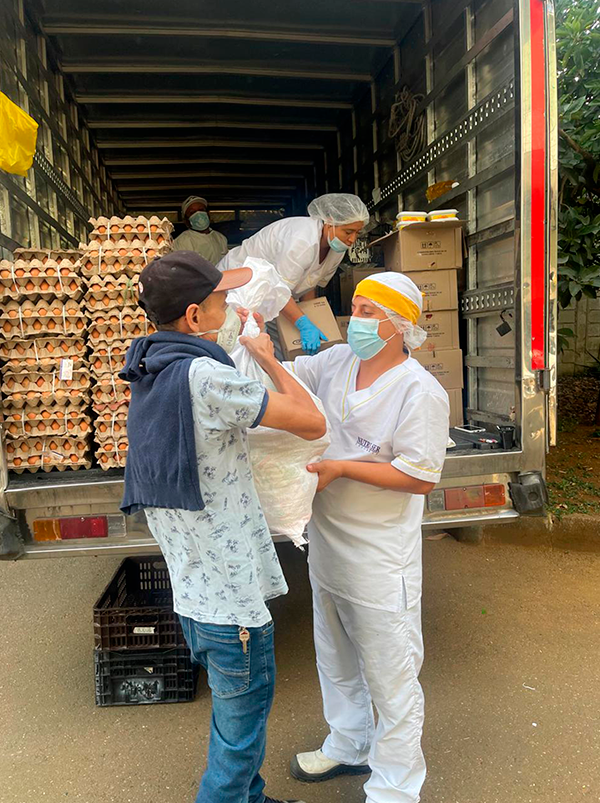
Objective
To support the actions of the epidemiological surveillance process and the comprehensive response to public health risk events identified in the city of Medellín, strengthening the capacity for prevention, control and containment of damage in the community.
How is Epidemiological Surveillance carried out?
The central purpose is to prevent the spread of outbreaks or epidemics, through the early identification of risk situations and the implementation of timely control actions.
Main technical actions:
1. Direct intervention in events of public health interest
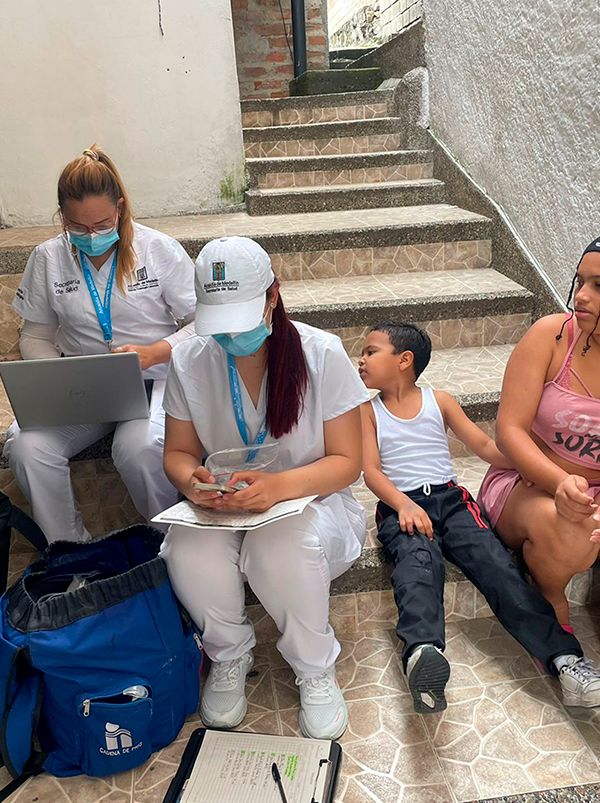
• Patient and family care. • Implementation of control measures in family, work, institutional, and community settings.
2. Control of risk factors and cutting of transmission chains
• Targeted vaccination of exposed or at-risk individuals. • Provision of prophylaxis and specific treatments according to the event. • Collection of laboratory samples for diagnosis and monitoring. • Health education on prevention measures and self-care.
3. Epidemiological research
• Conducting research in accordance with the protocols of the National Institute of Health (INS). • Addressing and monitoring suspected or confirmed events as defined in the International Health Regulations (IHR).
4. Impact on strategic city indicators.
• Maintaining disease elimination and eradication plans. • Improving the success rate of tuberculosis treatment. • Reducing suicide mortality. • Decreasing maternal and infant mortality.
How can I participate or gain access?
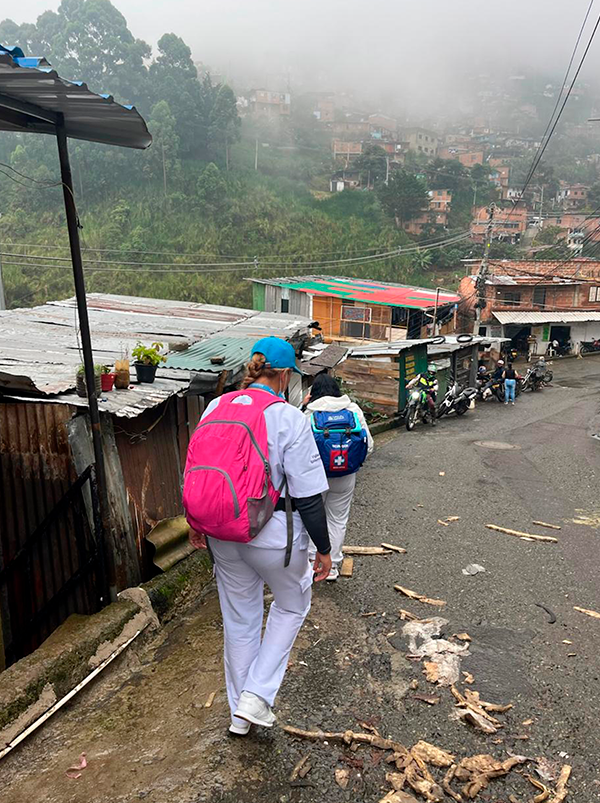
The service is provided voluntarily and free of charge at the 21 Comprehensive Family Centers (CIF), located in the districts and townships of Medellín. It can also be accessed through institutional referral.
Who is it aimed at?
To the population residing in the District of Medellín, both in urban and rural areas, who are subject to intervention in individual and collective activities defined in the epidemiological surveillance procedure, in accordance with the guidelines and protocols of the National Institute of Health.
How do I access it?
Epidemiological surveillance actions are planned and executed based on:
- Reports made to the Public Health Surveillance System (SIVIGILA).
- The alerts issued by the competent authorities.
- The alerts reported by the community through the watchmen and managers of the Community Surveillance Network (REVCOM).
- The risk analysis developed by the epidemiology area of the Medellín Health Secretariat.
How is Epidemiological Surveillance carried out?
The central purpose is to prevent the spread of outbreaks or epidemics, through the early identification of risk situations and the implementation of timely control actions.
Responsible entity
Epidemiological surveillance actions are led by the Medellín District Health Secretariat, through Metrosalud, as part of permanent public health strategies
Prevention is also about caring for life